Complete guide to gutter maintenance
Homecare
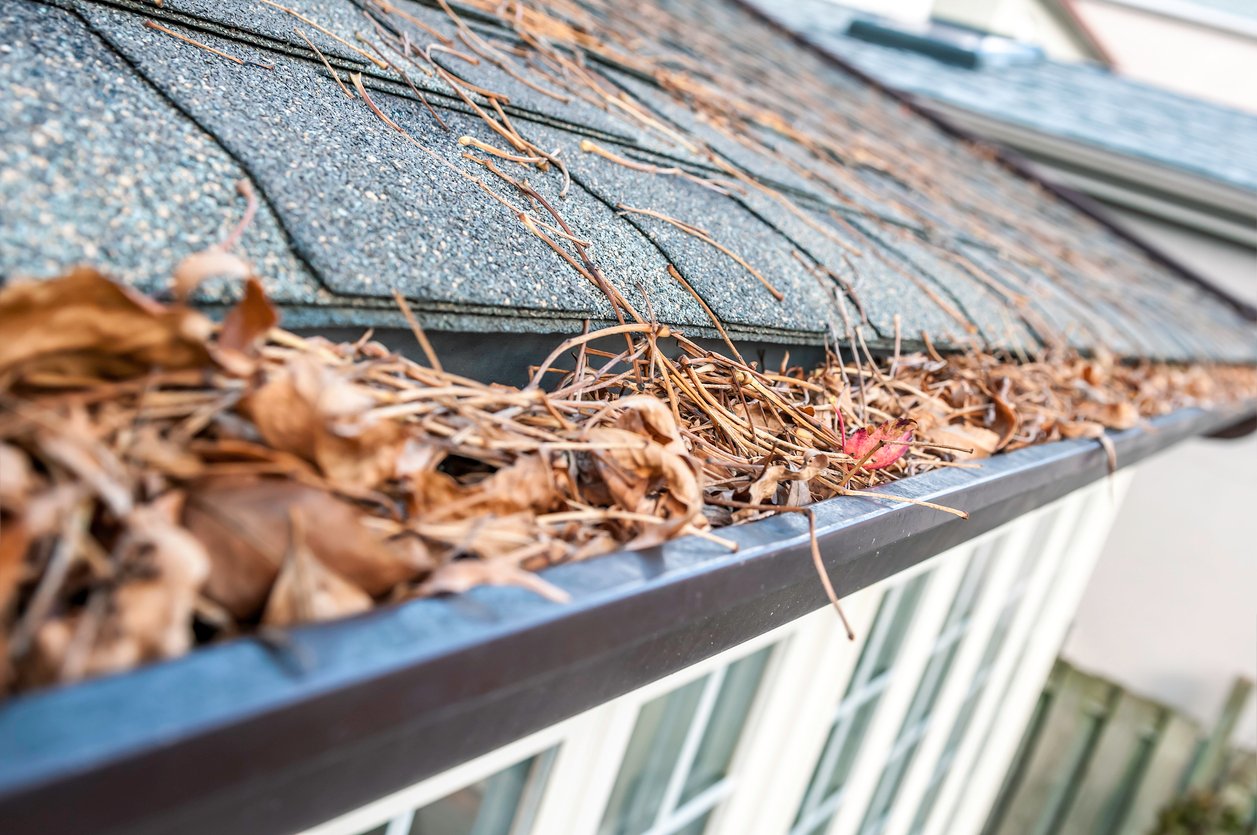
Complete Guide to Gutter Maintenance for Salt Lake City Homeowners
Gutters are one of the most overlooked parts of a home, but they play a major role in protecting your roof, siding, foundation, landscaping, and even the interior of your house.
For homeowners in Salt Lake City and throughout the Wasatch Front, gutter maintenance is especially important because Utah homes deal with a wide variety of weather throughout the year. Snow, ice, spring rain, wind, falling leaves, pine needles, roof granules, and summer debris can all clog or damage a gutter system.
A small gutter problem can eventually become a much bigger roofing or drainage issue if it is ignored.
When gutters become clogged, loose, damaged, or improperly sloped, rainwater and snowmelt can overflow in areas where water was never supposed to go. That can contribute to fascia damage, roof-edge deterioration, foundation problems, erosion, staining, and water intrusion.
The good news is that most gutter problems can be prevented with basic maintenance and regular inspections.
This guide explains everything Salt Lake City homeowners should know about gutter cleaning, gutter maintenance, gutter repair, downspout care, winter gutter problems, roof drainage, and storm-related gutter damage.
Why Gutters Are So Important
The purpose of a gutter system is simple.
Water lands on your roof, flows down the slope, enters the gutters, travels toward the downspouts, and is directed away from the house.
When that system works properly, it helps protect the rest of the home.
When it does not work properly, water can collect where it should not.
A functioning gutter system helps protect:
Roof edges
Fascia boards
Soffits
Siding
Windows
Doors
Landscaping
Walkways
Basement walls
Foundations
Exterior finishes
Many homeowners assume gutters are mainly about keeping water from dripping off the roof.
They do much more than that.
They are part of the home’s overall water-management system.
Why Gutter Maintenance Matters in Salt Lake City
Utah weather can create several different gutter problems throughout the year.
During spring, rain and runoff can expose drainage problems.
During summer, gutters may collect roof granules, dirt, leaves, and windblown debris.
Fall can fill gutters with leaves, pine needles, seeds, and branches.
Then winter brings snow, ice, and freezing temperatures.
That seasonal cycle makes gutter maintenance in Salt Lake City especially important.
A gutter that is partially clogged in October may become a much bigger problem once snow starts melting and refreezing.
A loose gutter that seems minor in summer may become stressed under winter ice.
A downspout that is only partially blocked may overflow during heavy rain or rapid snowmelt.
Regular maintenance gives homeowners a chance to catch these problems before they become expensive.
How Often Should You Clean Your Gutters?
For many homes, gutters should be inspected and cleaned at least twice per year.
A common schedule is:
Once in late spring
Once in late fall
However, some homes need more frequent cleaning.
You may need to inspect your gutters more often if your property has:
Large trees near the roof
Pine trees
Heavy leaf accumulation
Frequent windblown debris
Birds or animals nesting nearby
An older roof that sheds more granules
Gutter sections that clog repeatedly
Roof valleys that direct large amounts of water into one area
Homes with very few nearby trees may not need cleaning as often, but they should still be inspected.
Roof granules, dirt, seed pods, and other debris can collect even when there are no large trees directly over the house.

Signs Your Gutters Need Cleaning
You do not always need to climb a ladder to know your gutters are clogged.
There are several warning signs you can spot from the ground.
Common signs include:
Water overflowing the gutter edge
Water spilling behind the gutter
Plants growing inside gutters
Visible leaves or debris
Downspouts that do not drain
Water pooling near the foundation
Staining on siding or fascia
Sagging gutters
Birds or insects gathering near clogged areas
Water pouring over one section during rain
Ice buildup in winter
If you see any of these signs, the system should be inspected.
Overflowing gutters are especially important because they indicate water is no longer being directed properly.
What Causes Gutters to Clog?
The most common cause is organic debris.
Leaves are the obvious example, but gutters collect much more than leaves.
Common materials include:
Pine needles
Seeds
Twigs
Dirt
Roof granules
Bird nests
Insect nests
Moss
Small branches
Windblown trash
Asphalt shingle debris
Roof granules deserve special attention.
As asphalt shingles age, they naturally lose some granules. Those granules can wash into the gutters and collect near downspout openings.
A small amount is normal.
Large amounts may be a sign that the roof is aging or has experienced weather damage.
That is one reason gutter cleaning can sometimes reveal information about the condition of the roof.
How to Clean Gutters Safely
Gutter cleaning sounds simple, but it involves working from a ladder near the roof edge.
That creates fall risk.
If you choose to clean your own gutters, safety should be the priority.
Avoid working from the roof edge whenever possible.
Use a stable ladder on level ground.
Do not lean too far sideways.
Move the ladder instead.
Wear gloves because gutter debris can contain sharp metal pieces, roofing nails, insects, and animal waste.
Eye protection is also a good idea.
For many homeowners, especially on two-story homes or steep terrain, professional gutter cleaning is the safer option.
Basic Gutter Cleaning Process
A typical gutter cleaning includes several steps.
First, remove large debris by hand or with a gutter scoop.
Then clear smaller sediment and roof granules.
Check each downspout opening.
Flush the gutters with water.
Confirm that water flows toward the downspouts.
Watch for leaks.
Inspect the gutter slope.
Check hangers and fasteners.
Confirm that downspouts discharge away from the house.
Cleaning the gutter is only part of the job.
The system should also be checked for damage.
How to Tell If a Downspout Is Clogged
A downspout can look perfectly normal from the outside while being blocked internally.
Common signs include:
Little or no water coming out during rain
Water backing up near the top
Overflow at the gutter
Water leaking from downspout joints
Debris packed into the opening
Strange dripping sounds long after rain stops
If you suspect a blockage, start at the top.
Remove any visible debris from the downspout opening.
A garden hose can sometimes flush smaller blockages.
More severe clogs may require disconnecting part of the downspout.
Avoid forcing hard objects into thin metal downspouts because they can be dented or damaged.
Why Gutter Slope Matters
Gutters are not supposed to be perfectly level.
They need a slight slope toward the downspout.
If the slope is wrong, water can sit inside the gutter instead of draining.
Standing water creates several problems.
It adds weight.
It can encourage corrosion.
It can contribute to insect activity.
In winter, standing water can freeze.
Over time, that extra stress can pull the gutter away from the fascia.
If one section constantly holds water even after cleaning, the gutter may need to be re-sloped.
Sagging Gutters
Sagging gutters are a common maintenance issue.
This usually means the gutter hangers have loosened, the fascia has deteriorated, or the gutter has been overloaded.
Heavy debris can contribute to sagging.
Ice can also add significant weight during winter.
A sagging section should be repaired because it can create low spots where water collects.
That standing water makes the problem worse.
Eventually, the gutter may pull away from the house.
Loose Gutters
Loose gutters should not be ignored.
They may be caused by:
Loose hangers
Missing fasteners
Damaged fascia
Rot
Ice weight
Ladder damage
Improper installation
If the gutter is pulling away from the house, water may run behind it.
That can damage fascia and soffit areas.
Water may also run down exterior walls.
Repairing the loose section early is much easier than replacing damaged wood later.
Leaking Gutter Seams
Sectional gutters have joints.
Those joints may eventually leak.
Common leak locations include:
Corners
End caps
Downspout connections
Seams
Fastener holes
Small leaks can sometimes be repaired with appropriate gutter sealant.
However, the surface should be clean and dry before repair.
If a seam repeatedly fails, the gutter section may be warped or damaged.
In that case, replacement may be more reliable than repeated patching.
Gutter End Caps
End caps close the ends of the gutter system.
If an end cap becomes loose or the seal fails, water can escape from the side of the gutter.
This is usually a relatively small repair.
However, a leaking end cap can still cause staining and water damage if ignored.
Downspout Placement
A gutter system is only effective if the downspouts move water far enough away from the house.
If a downspout empties directly beside the foundation, the gutter is solving one drainage problem while potentially creating another.
Water should be directed away from the structure.
Extensions or drainage systems may be necessary depending on the property.
Watch for:
Water pooling near foundation walls
Erosion near downspouts
Muddy areas
Basement moisture
Damaged landscaping
Sunken soil
These may indicate that water is not being discharged far enough away.
Gutter Maintenance and Foundation Protection
Many homeowners do not connect gutters with foundation problems.
But poor roof drainage can contribute to water accumulation around the foundation.
When water repeatedly collects around the house, it can saturate soil.
Depending on the property, that may contribute to:
Basement moisture
Foundation staining
Erosion
Settlement
Water intrusion
Proper gutter maintenance is one of the simplest ways to help control roof runoff.
Gutter Maintenance and Roof Damage
Clogged gutters can also affect the roof itself.
When gutters fill with debris, water can back up near the roof edge.
That standing water may reach areas that are not designed for prolonged water exposure.
The fascia can become damaged.
Roof-edge materials can deteriorate.
In cold weather, the problem can become more serious.
This is one reason gutter maintenance should be considered part of basic roof maintenance in Salt Lake City.
Ice Dams and Gutters
Winter creates one of the most frustrating gutter problems: ice.
Snow on the roof can melt and flow toward the colder eaves.
If the water freezes again near the edge, ice can build up.
Clogged gutters can make drainage even more difficult.
Ice buildup can place significant weight on gutters.
It can also contribute to water backing up near the roof edge.
Proper attic insulation and ventilation are important parts of reducing ice-dam risk, but keeping gutters clear is also important.
Should You Remove Ice From Gutters?
Be careful.
Trying to break ice out of gutters with a hammer, shovel, or sharp tool can damage the gutter and roofing materials.
It can also create a serious safety hazard.
If ice buildup becomes severe, professional evaluation is often safer.
The long-term solution may involve more than simply removing the ice.
A roofer may need to evaluate:
Attic insulation
Ventilation
Heat loss
Gutter drainage
Roof-edge conditions
Fall Gutter Maintenance
Fall is one of the most important times to clean gutters in Utah.
Leaves and debris often accumulate shortly before winter.
If that material remains in the system, it can become wet and compacted.
Then freezing temperatures arrive.
That combination can create heavy blockages.
Before winter, make sure:
Gutters are clear
Downspouts flow properly
Hangers are secure
Seams are not leaking
Water drains away from the house
Roof valleys are clear of debris
A late-fall cleaning can prevent many winter drainage problems.
Spring Gutter Maintenance
Spring is another ideal time for inspection.
Winter may have caused:
Loose hangers
Bent gutters
Ice damage
Downspout separation
Sealant failure
Debris accumulation
Spring maintenance prepares the system for seasonal rain.
It also gives you an opportunity to inspect the roof after winter.
Summer Gutter Maintenance
Summer is generally less demanding, but it is still a good time to monitor the system.
Check for:
Dry leaves
Bird nests
Wasp nests
Roof granules
Loose fasteners
Storm damage
Summer is also a convenient time to make repairs before fall and winter arrive.
Gutter Damage After Hail
Hail can damage more than shingles.
Metal gutters and downspouts may become dented during a strong hailstorm.
Dents do not always prevent the system from working, but significant impacts may deform the gutter or affect drainage.
Hail damage to gutters can also be useful when evaluating storm damage across the entire property.
After a severe storm, a roofing contractor may inspect:
Shingles
Ridge caps
Roof vents
Gutters
Downspouts
Flashing
Other exterior surfaces
This provides a more complete picture of what happened during the storm.
Gutter Damage After Windstorms
Wind can also damage gutters.
Branches may strike them.
Sections may loosen.
Downspouts can pull away from the siding.
Windblown debris may clog the system.
If you notice visible gutter damage after a storm, it is a good idea to have the roof inspected at the same time.
Roof and gutter damage often occur together.
Can Gutter Damage Be Covered by Insurance?
Possibly.
If gutters are damaged by a covered event such as hail, wind, or falling debris, homeowners insurance may provide coverage depending on the policy and circumstances.
Damage caused by normal wear, neglect, or deterioration is generally treated differently.
The insurance company determines coverage.
A contractor can document the physical damage and provide repair information.
If a storm damaged both the roof and gutters, those items may be evaluated as part of the same claim.
Gutter Guards: Are They Worth It?
Gutter guards are designed to reduce the amount of debris entering the system.
They can be helpful, but they are not maintenance-free.
Different systems work differently.
Common styles include:
Screens
Mesh guards
Micro-mesh guards
Foam inserts
Brush-style guards
Surface-tension systems
The right system depends on the home.
A property surrounded by pine trees may have different needs than a home with large deciduous trees.
Do Gutter Guards Eliminate Cleaning?
Usually, no.
They reduce debris, but some maintenance is still necessary.
Fine material may collect on top.
Roof granules may pass through.
Small debris can accumulate around openings.
The guards themselves should be inspected periodically.
Homeowners should be cautious of any claim that a gutter system will never need maintenance again.
Best Gutter Guards for Utah Homes
There is no single best gutter guard for every house.
Factors to consider include:
Nearby trees
Roof pitch
Snow load
Ice
Gutter size
Roof type
Maintenance access
Budget
Micro-mesh systems can be effective at keeping out small debris, but installation quality matters.
The guard also needs to work with the existing roof and gutter system.
Should Gutter Guards Be Installed Under Shingles?
Some gutter guard systems interact with the roof edge.
Improper installation can disturb shingles or affect drainage.
This is one reason professional installation may be preferable.
Any system installed near roofing materials should be compatible with the roof and manufacturer requirements.
Gutter Size Matters
Not every house should use the same gutter size.
The correct gutter size depends on several factors, including:
Roof area
Roof pitch
Rainfall intensity
Number of downspouts
Valley locations
Standard residential gutters are often adequate, but larger roofs may benefit from oversized gutters.
If your gutters repeatedly overflow even when clean, the system may be undersized or poorly configured.
Roof Valleys and Gutter Overflow
Roof valleys concentrate water.
During heavy rain or snowmelt, a large amount of water may enter the gutter at one location.
If the gutter is too small, clogged, or poorly sloped, water may overshoot or overflow.
Homes with complex rooflines should be evaluated carefully.
Sometimes the problem is not the gutter itself but the amount of water being directed into one short section.
Downspout Capacity
Downspout size is just as important as gutter size.
If the downspout cannot carry water away quickly enough, the gutter will back up.
Additional downspouts may help on large roof sections.
This is something a gutter or roofing professional can evaluate.
Water Overshooting the Gutter
Sometimes water flows over the front edge even when the gutter is clean.
Possible causes include:
Steep roof pitch
High water velocity
Poor gutter placement
Small gutters
Heavy valley runoff
Incorrect drip edge configuration
This should be evaluated instead of simply assuming the gutter is clogged.
Drip Edge and Gutters
Drip edge is a metal component installed along roof edges.
It helps direct water away from vulnerable roof components.
Proper interaction between drip edge and gutters is important.
If the gutter is positioned incorrectly, water may run behind it.
That can damage fascia.
If you see water streaks behind the gutter, the roof edge should be inspected.
Fascia Damage
The fascia board is the vertical surface behind the gutter.
It is a common area for moisture problems.
Signs of fascia damage include:
Peeling paint
Soft wood
Rot
Staining
Gutter separation
Visible deterioration
If the fascia is rotted, the gutter may no longer have a solid surface to attach to.
Simply adding more screws may not solve the problem.
The damaged wood may need repair first.
Soffit Damage
Soffits are located underneath the roof overhang.
Overflowing gutters and roof-edge leaks can sometimes damage soffit materials.
Watch for:
Staining
Sagging
Soft spots
Peeling paint
Moisture
These problems should be evaluated because the source may be above the visible damage.
Gutter Cleaning and Roof Granules
When cleaning gutters, pay attention to the amount of roofing granules you find.
Some granules are normal.
Large piles may indicate that the shingles are shedding heavily.
If the roof is older or recently experienced hail, it may be worth scheduling an inspection.
Gutter debris can sometimes reveal roof problems homeowners would not otherwise notice.
How Long Do Gutters Last?
Gutter lifespan depends on material, installation, weather exposure, and maintenance.
Aluminum gutters are common because they are lightweight and corrosion resistant.
Steel, copper, and other materials are also used.
A well-maintained gutter system can last many years.
Neglected gutters may fail much sooner.
Regular cleaning and small repairs can significantly extend service life.
When Should Gutters Be Replaced?
Replacement may be necessary if you see:
Severe corrosion
Large cracks
Repeated seam failure
Multiple sagging sections
Extensive storm damage
Significant deformation
Widespread fascia problems
Gutters that are undersized
Constant overflow despite cleaning
Sometimes repairing one isolated area is appropriate.
Other times replacing the full system is more cost-effective.
Seamless vs Sectional Gutters
Seamless gutters are formed in long continuous sections.
They have fewer joints than traditional sectional systems.
Fewer seams can mean fewer potential leak points.
However, seamless gutters still have joints at corners, end caps, and downspouts.
They still require maintenance.
Why Roofers Should Inspect Gutters
Gutters and roofs are closely connected.
A roofer evaluating a leak or storm damage should also pay attention to drainage.
A roofing problem may be caused or worsened by:
Clogged gutters
Poor downspout flow
Incorrect slope
Fascia damage
Roof-edge drainage problems
Treating the roof and gutter system as separate parts can miss important causes.
Gutter Maintenance Checklist
Homeowners should periodically check the following:
Remove leaves and debris
Clear downspouts
Flush gutters with water
Inspect for standing water
Check gutter slope
Tighten loose hangers
Inspect seams
Check end caps
Look for rust or corrosion
Inspect fascia
Check downspout extensions
Confirm water flows away from the foundation
Look for hail dents
Check for storm damage
Watch for excessive roof granules
This simple routine can prevent many common problems.
Should You Clean Gutters Before Winter?
Yes.
For Salt Lake City homeowners, late fall is one of the most important times to clean gutters.
Entering winter with a gutter full of leaves and debris increases the likelihood of drainage and ice problems.
A clean gutter gives snowmelt a path to escape.
Should You Clean Gutters After Winter?
Yes.
Spring cleaning helps remove debris and identify damage caused by snow or ice.
Check for:
Loose hangers
Bent sections
Leaks
Ice-related damage
Downspout problems
This helps prepare the home for spring rain.
What Happens If You Never Clean Your Gutters?
Ignoring gutters can eventually lead to:
Overflow
Sagging
Fascia rot
Soffit damage
Foundation drainage problems
Landscape erosion
Roof-edge problems
Ice buildup
Gutter failure
Water intrusion
What begins as a basic maintenance task can eventually become a much larger repair.
Professional Gutter Maintenance in Salt Lake City
Some homeowners are comfortable cleaning single-story gutters themselves.
Others prefer professional service.
Professional gutter maintenance can be especially useful for:
Two-story homes
Steep roofs
Difficult access
Heavy debris
Older gutters
Storm-damaged systems
Homes with complex rooflines
A professional can clean the gutters while also identifying visible roof and drainage problems.
Gutter Maintenance and Insurance Roofing
If your home has recently experienced hail or wind damage, gutter inspection should be included with the roof inspection.
Storms do not selectively damage only shingles.
They may also affect:
Gutters
Downspouts
Vents
Flashing
Siding
Screens
Exterior metal
If you are dealing with an insurance roofing claim, documenting all storm-related exterior damage can help create a more complete picture of the loss.
The insurance company determines coverage, but your contractor can help document the physical damage.
Gutter Maintenance for Salt Lake City Homes
Homeowners throughout Salt Lake City, Sandy, Draper, Murray, Holladay, Millcreek, Cottonwood Heights, Midvale, West Jordan, South Jordan, Taylorsville, West Valley City, Riverton, Herriman, and surrounding Wasatch Front communities should treat gutter maintenance as part of normal roof care.
Utah weather places real demands on drainage systems.
Spring rain, summer storms, fall leaves, and winter snow all depend on the gutters doing their job.
A clean, properly sloped, securely attached gutter system helps protect the entire house.
When to Call a Roofing Contractor
Contact a roofing professional if you notice:
Water overflowing despite clean gutters
Water leaking behind the gutter
Rotten fascia
Sagging roof edges
Missing shingles
Storm damage
Heavy granule accumulation
Ceiling stains
Repeated ice problems
Hail dents
Gutter sections pulling away
These problems may involve more than the gutter itself.
A roofing inspection can help determine whether there is a larger issue.
Final Thoughts on Gutter Maintenance
Gutter maintenance is not complicated, but it is extremely important.
Clean gutters help water move away from your roof and home.
Clogged or damaged gutters can send water in exactly the wrong direction.
For Salt Lake City homeowners, the best approach is simple:
Inspect your gutters regularly, clean them before they become clogged, repair small problems early, and pay extra attention after major wind, hail, snow, or rain events.
If you see overflowing water, sagging sections, damaged fascia, loose gutters, excessive roof granules, or storm damage, schedule an inspection before the problem becomes worse.
Your gutters may be a relatively small part of your home, but they protect a very large portion of it.


