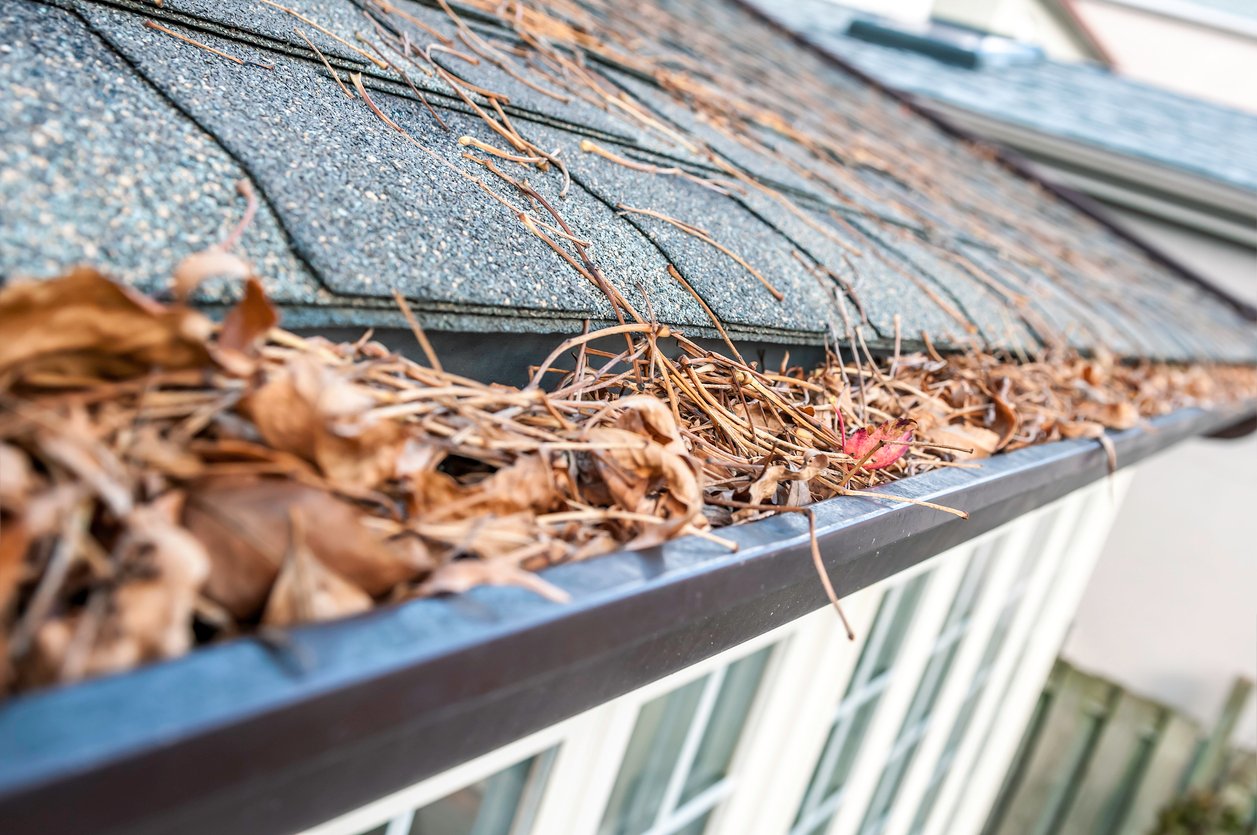
5 signs your roof needs repair
Roof Repairs

5 Signs Your Roof Needs Repair in Salt Lake City
Your roof is one of the most important parts of your home, but it is also one of the easiest parts to ignore until something goes wrong.
For many homeowners in Salt Lake City and throughout the Wasatch Front, roof problems do not begin with a major leak pouring through the ceiling. More often, the warning signs start small: a few missing shingles, a stain in the attic, granules collecting in the gutters, or damage after a wind or hailstorm.
Catching those problems early can make the difference between a relatively straightforward roof repair and a much larger roof replacement.
Utah roofs are exposed to a wide range of weather throughout the year, including summer heat, winter snow, freezing temperatures, wind, hail, rain, and rapid temperature changes. Over time, those conditions can wear down even a properly installed roofing system.
If you live in Salt Lake City, Sandy, Draper, Murray, Holladay, Cottonwood Heights, Millcreek, West Jordan, South Jordan, Taylorsville, West Valley City, Riverton, Herriman, or another community along the Wasatch Front, here are five of the biggest signs that your roof may need professional repair.
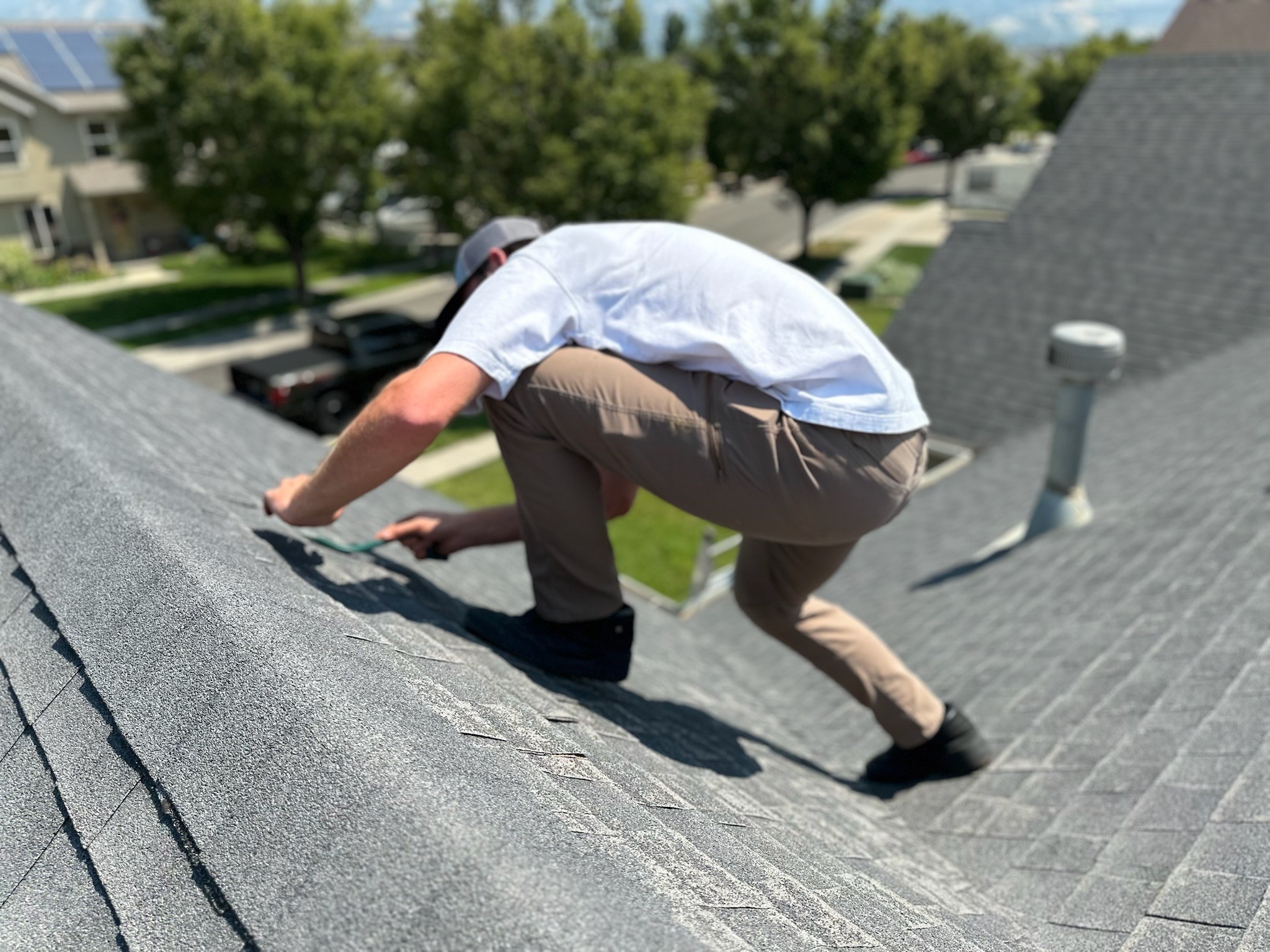
1. Missing, Lifted, Cracked, or Damaged Shingles
One of the most obvious signs that your roof may need repair is visible shingle damage.
Asphalt shingles are designed to protect the roof deck underneath from water, wind, snow, and sunlight. When shingles become damaged or disappear completely, the roofing system can become vulnerable to water intrusion.
Homeowners should watch for:
Missing shingles
Lifted shingle edges
Cracked shingles
Torn shingles
Creased shingles
Curling shingles
Shingles that have slid out of position
Exposed nail heads
Damaged ridge-cap shingles
These problems are especially common after strong wind events.
A shingle does not necessarily have to blow completely off the roof to be damaged. Wind can lift the edge of a shingle, weaken the seal underneath it, or create a crease across the shingle.
That damage may not look dramatic from the ground, but once the shingle has been compromised, it may no longer provide the same level of protection.
Wind Damage on Utah Roofs
Wind damage is an important concern throughout northern Utah.
Homes near exposed areas, benches, canyon mouths, and open neighborhoods may experience particularly strong gusts. Even homes in more protected parts of the Salt Lake Valley can experience significant wind during storms.
Once wind gets underneath a loose or damaged shingle, it can continue to lift it.
Over time, what begins as one weakened shingle can turn into a larger section of damaged roofing.
If you notice shingles in your yard after a storm, do not assume the rest of the roof is fine simply because you only found one or two pieces.
There may be additional damage that is not visible from the ground.
A professional Salt Lake City roof inspection can determine whether the damage is isolated or whether a larger portion of the roofing system has been affected.
Can Missing Shingles Be Repaired?
In many cases, yes.
If the roof is otherwise in good condition and compatible replacement shingles are available, a roofer may be able to replace the damaged section.
However, several factors affect whether repair is practical.
Those include:
Age of the existing roof
Condition of surrounding shingles
Availability of matching materials
Extent of the damage
Condition of the roof deck
Whether the damage resulted from a larger storm event
An experienced roofing contractor should inspect the roof before deciding whether a small repair or full replacement is appropriate.
2. Water Stains, Ceiling Spots, or Signs of a Roof Leak
Water stains are one of the most important warning signs a homeowner can notice.
If you see brown or yellow discoloration on a ceiling or wall, moisture may be entering the home somewhere above that area.
Common signs of a roof leak include:
Brown ceiling stains
Yellow water rings
Damp drywall
Peeling paint
Bubbling paint
Wet attic insulation
Moisture around roof penetrations
Water dripping during rain
Damp or musty attic odors
Dark staining on roof decking
You should not ignore a small stain simply because it is not actively dripping.
Roof leaks often begin gradually.
Water can travel along roof decking, rafters, insulation, pipes, and framing before eventually appearing inside the living space.
That means the visible stain inside your house may not be directly underneath the actual roofing problem.
Common Sources of Roof Leaks
Shingles are only one possible source of water intrusion.
Leaks frequently occur around roof transitions and penetrations, including:
Chimneys
Plumbing vents
Furnace vents
Skylights
Valleys
Roof-to-wall intersections
Flashing
Pipe boots
Ridge areas
Satellite or equipment penetrations
Flashing is particularly important.
Flashing directs water away from vulnerable joints in the roofing system. When flashing is missing, damaged, corroded, improperly installed, or separated from the roof, water can enter areas that shingles alone cannot protect.
Do Small Roof Leaks Need Immediate Repair?
Yes.
A small roof leak rarely improves on its own.
Even if the leak only appears during unusually heavy rain, moisture may still be entering the roofing system regularly.
Repeated water intrusion can eventually damage:
Roof decking
Insulation
Drywall
Paint
Framing
Electrical components
Interior finishes
Moisture can also create conditions favorable to mold growth.
Catching the source early is almost always preferable to waiting until the leak becomes severe.
If you notice a new ceiling stain after a storm, schedule a roof leak inspection in Salt Lake City as soon as practical.
3. Excessive Granules in Your Gutters or Around Downspouts
Asphalt shingles are covered with small mineral granules.
These granules provide several important functions, including helping protect the asphalt material underneath from ultraviolet exposure.
It is normal for shingles to lose some granules over time.
New shingles can also shed loose granules after installation.
However, excessive granule loss can be a warning sign that the shingles are aging, deteriorating, or have been damaged by weather.
You may notice granules:
Accumulating inside gutters
Washing out of downspouts
Collecting on sidewalks
Collecting around the foundation
Leaving visibly bare patches on shingles
If large areas of a roof begin losing granules, the underlying asphalt may become more exposed to sunlight and weather.
That can accelerate deterioration.
Granule Loss After Hail
Hail can also contribute to localized granule loss.
When hail impacts an asphalt shingle, it can damage the surface and displace granules.
Not every granule loss pattern indicates hail damage, though.
Age, foot traffic, installation conditions, manufacturing characteristics, and normal weathering can also cause granules to loosen.
That is why hail damage should be evaluated by examining the overall pattern of damage rather than assuming every bare spot was caused by a storm.
A professional roofer may look at:
Shingle impact marks
Soft spots
Circular areas of granule displacement
Damage to vents
Damage to gutters
Damage to flashing
Damage to siding or other exterior materials
These additional indicators can help determine whether the roof may have sustained storm damage.
When Granule Loss Becomes a Repair Concern
A small amount of granule loss is not necessarily alarming.
However, you should consider having the roof inspected if you notice:
Large piles of granules after rain
Widespread bare areas
Significant changes in roof color
Granule loss after a hailstorm
Older shingles becoming visibly smooth
Multiple areas of exposed asphalt
Depending on the condition of the roof, localized damage may be repairable.
If the entire roofing system is heavily deteriorated, replacement may become more practical.
4. Damaged Flashing, Pipe Boots, Vents, or Roof Penetrations
Many homeowners focus almost entirely on shingles when they look at their roof.
But a roof is made up of much more than shingles.
Some of the most common roof problems occur around the components that penetrate or transition through the roofing system.
These include:
Pipe boots
Plumbing vents
Furnace flues
Chimneys
Skylights
Roof vents
Valleys
Step flashing
Wall flashing
Metal roof transitions
These areas are naturally more vulnerable because they interrupt the continuous surface of the roof.
Cracked Pipe Boots
Pipe boots are a common source of residential roof leaks.
A plumbing vent pipe passes through the roof, and a flashing boot is installed around it to prevent water from entering.
Over time, rubber components can crack, split, dry out, or pull away.
Once that happens, rainwater can run down the pipe and into the attic.
The shingles surrounding the pipe may look perfectly fine while the boot itself is leaking.
This can sometimes be repaired without replacing a large section of the roof.
Damaged Flashing
Flashing is another major area to inspect.
Metal flashing is often installed around chimneys, walls, valleys, and other roof transitions.
If flashing becomes loose or damaged, water can enter underneath the roofing materials.
Signs of flashing trouble can include:
Rust
Separation
Bent metal
Missing sections
Loose fasteners
Failed sealant
Visible gaps
Water stains near the corresponding interior area
Proper flashing installation is one of the most important parts of a long-lasting roof.
Even premium shingles cannot compensate for poorly installed flashing.
Roof Vents Can Be Damaged by Hail
Metal roof vents can also show evidence of storm damage.
Hail may leave dents in vents, flashing, gutters, and other metal components.
Those marks can sometimes help determine whether a storm caused damage to the surrounding roof.
If your neighborhood experienced a significant hailstorm, a roof inspection can help identify whether these components were affected.
5. Your Roof Was Recently Hit by Hail or High Winds
Sometimes the biggest sign that your roof needs repair is not something you can see from the ground.
It is simply the fact that a significant storm recently moved through your neighborhood.
After a severe hailstorm or windstorm in Salt Lake City, homeowners should pay attention to the condition of their roof even if there is no immediate leak.
Storm damage can be subtle.
A roof can look relatively normal from the driveway while still having:
Creased shingles
Broken seals
Hail impacts
Damaged ridge shingles
Lifted edges
Missing shingles
Dented vents
Damaged flashing
Some storm-related problems do not cause an immediate leak.
They weaken the roof first.
Water intrusion may appear later after additional wind, snow, rain, or freeze-and-thaw cycles.
Hail Damage Can Be Difficult to See
Hail damage is especially difficult for homeowners to evaluate from the ground.
The size, density, wind direction, and speed of hail can all affect how much damage occurs.
Roof age and shingle condition also matter.
A newer roof may react differently than an older roof exposed to the same storm.
That is why an inspection should consider more than a few isolated marks.
A roofer may inspect shingles as well as collateral surfaces such as:
Gutters
Downspouts
Roof vents
Flashing
Soft metal
Window screens
Siding
The overall damage pattern can provide important context.
When Storm Damage May Involve Homeowners Insurance
If your roof sustained legitimate damage from a covered storm event, your homeowner’s insurance policy may provide coverage depending on the terms of your policy.
Every claim is different.
The insurance company determines whether damage is covered, how the loss is evaluated, and what portion of the repair or replacement qualifies under the policy.
A roofing contractor does not approve insurance claims.
However, an experienced insurance roofing contractor in Salt Lake City can inspect the roof, photograph damage, document the condition of the roofing system, and help explain the physical construction work that may be necessary.
If you believe a recent storm damaged your roof, getting an inspection early can make it easier to understand your options.
Other Signs Your Roof May Need Repair
The five issues above are some of the biggest warning signs, but they are not the only ones.
There are several additional indicators that may justify an inspection.
Sagging Areas
A roof should generally appear straight and consistent along its major planes.
A visibly sagging section may indicate an issue with:
Roof decking
Framing
Long-term moisture exposure
Structural movement
A sagging roof should be evaluated promptly.
This is not typically the kind of problem a homeowner should diagnose from the surface alone.
Moss or Vegetation Growth
Small amounts of organic growth do not automatically mean the roof is failing.
However, heavy moss can trap moisture against the roofing surface and may indicate shaded or persistently damp conditions.
Homeowners should avoid aggressively scraping shingles because doing so can damage the granule surface.
If moss has become extensive, a roofing professional can evaluate the condition of the shingles underneath.
Daylight Visible Through the Attic
If you can see daylight entering the attic through areas that should be sealed, the roof may have openings that need attention.
Some light may naturally be visible through certain ventilation components, so the location matters.
But unexplained openings through the roof deck should be investigated.
Increasing Energy Bills
Not every high utility bill is caused by the roof.
However, roof and attic problems can affect energy performance.
Poor attic ventilation, inadequate insulation, or air leakage may cause the HVAC system to work harder.
A roofing inspection can sometimes identify obvious ventilation problems during a broader evaluation.
Roof Repair vs Roof Replacement
Finding roof damage does not automatically mean you need an entirely new roof.
Many roofing issues can be repaired.
Repair may make sense when:
Damage is limited to a small area
The surrounding shingles remain in good condition
The roof is relatively young
Matching shingles are available
The roof deck is sound
The problem is isolated to flashing or a penetration
Replacement may become more appropriate when:
Damage is widespread
The roof is near the end of its useful life
Shingles are heavily deteriorated
Repairs would require disturbing large areas
Materials are no longer compatible or available
Storm damage affects multiple roof slopes
There are widespread installation problems
The correct solution depends on the roof.
A good roofing contractor should be willing to recommend a repair when a repair is actually appropriate.
Why Early Roof Repair Matters in Utah
Utah’s climate can make small roofing problems worse quickly.
A damaged shingle during summer may allow water underneath the roofing system during fall rain.
That moisture can then be exposed to freezing temperatures in winter.
Snow may accumulate.
Ice can form.
Another windstorm can lift the already weakened area.
By spring, what began as a relatively small repair may have developed into a much larger problem.
Early repairs can help protect:
Roof decking
Insulation
Attic framing
Drywall
Interior finishes
Electrical systems
Personal belongings
It is generally much easier to replace a few shingles or repair flashing than to repair water-damaged portions of the house later.
How Often Should You Have Your Roof Inspected?
There is no single inspection schedule that applies to every house.
However, homeowners should consider an inspection when:
A major hailstorm occurs
Strong winds move through the area
Shingles are found in the yard
A leak appears
Ceiling staining develops
The roof is getting older
You are buying or selling the home
You notice visible roofing damage
An inspection is especially useful after severe weather because many types of roof damage are difficult to identify safely from the ground.
Should You Inspect Your Own Roof?
You can perform a basic visual inspection from the ground.
Look for obvious issues such as:
Missing shingles
Damaged ridge caps
Debris
Sagging
Damaged gutters
Shingles on the ground
You may also inspect the attic for signs of moisture if it is safely accessible.
However, homeowners should be extremely cautious about climbing onto the roof.
Roofs can be steep, slippery, fragile, and dangerous.
Professional roofers use ladders, fall protection, footwear, and experience to move safely around roofing surfaces.
It is usually safer to have a roofing professional perform a close inspection.
What Happens During a Professional Roof Inspection?
A professional roof inspection generally evaluates more than the shingles.
Depending on the roof and accessibility, the inspection may include:
Shingle condition
Missing or damaged shingles
Ridge-cap condition
Flashing
Pipe boots
Roof vents
Valleys
Roof penetrations
Gutters
Visible roof decking concerns
Signs of water intrusion
Hail or wind damage
Installation problems
General roof age and condition
Photos can also be useful.
Most homeowners never spend time on their roof, so photographic documentation helps show exactly what the contractor found.
Insurance Roof Repair in Salt Lake City
If damage appears to be storm-related, homeowners often ask whether insurance will pay for the repair.
The answer depends on the policy and circumstances of the loss.
Homeowner’s insurance may cover certain sudden and accidental weather-related events, while normal aging, deferred maintenance, and wear are generally different issues.
Because policies vary, coverage decisions should come directly from the insurance carrier.
If a storm recently occurred, an insurance-focused roofing contractor can help document the physical roof damage so the homeowner has clear information before and during the claim process.
What If Insurance Approves a Full Roof Replacement?
If a storm caused widespread qualifying damage, the insurance company’s approved scope may include roof replacement rather than a localized repair.
At that point, homeowners have additional decisions to make.
One of the biggest is choosing the replacement shingle.
For many of our residential roofing projects in Utah, IKO is our preferred manufacturer.
We like IKO because of the combination of architectural appearance, product options, wind-focused features, impact-resistant choices, and overall value.
Products such as IKO Dynasty can be an excellent option for homeowners looking for a performance-focused architectural shingle, while IKO Nordic is worth considering for homeowners interested in Class 4 impact resistance.
The best product still depends on the individual house, but if an insurance claim results in a full replacement, it is worth discussing whether your new roof can be an improvement over what was there before.
Choosing a Roof Repair Contractor in Salt Lake City
When hiring a roofer, do not make your decision based entirely on the lowest estimate.
Roof repair requires accurate diagnosis.
If the source of the problem is misidentified, the contractor may repair one area while the leak continues somewhere else.
Look for a contractor who:
Inspects the entire affected area
Explains what caused the problem
Provides photographs when possible
Clearly explains repair vs replacement
Understands storm damage
Understands insurance restoration work
Uses appropriate roofing materials
Follows manufacturer installation requirements
Is properly licensed and insured where required
A trustworthy roofing company should be able to explain exactly what is wrong without making the problem sound more complicated than it is.
Don’t Ignore Small Roofing Problems
Most major roofing problems did not begin as major problems.
They began with something small.
A loose shingle.
A cracked pipe boot.
A lifted edge.
A failed flashing joint.
A small hail impact.
A minor leak.
The longer those issues remain exposed to Utah’s weather, the greater the chance they can lead to additional damage.
If you notice something that does not look right, it is usually worth having the roof evaluated.
The 5 Biggest Signs Your Roof Needs Repair
To recap, you should consider scheduling a roof inspection if you notice:
Missing, lifted, cracked, or damaged shingles
Water stains, ceiling spots, or roof leaks
Excessive granules in gutters or downspouts
Damaged flashing, vents, or pipe boots
Recent hail or high-wind exposure
Any one of these problems can justify a closer inspection.
Multiple warning signs make an inspection even more important.
Schedule a Roof Inspection in Salt Lake City
If you suspect your roof may be damaged, you do not need to wait until water starts pouring into your house.
A professional roof inspection can help determine whether you need a small repair, additional monitoring, or a full roof replacement.
For homeowners throughout Salt Lake City, Murray, Sandy, Draper, Holladay, Cottonwood Heights, Millcreek, Midvale, West Jordan, South Jordan, Taylorsville, West Valley City, Riverton, Herriman, and the surrounding Wasatch Front, early inspection is one of the simplest ways to protect your home.
If the roof only needs a repair, catching the problem early can help prevent additional damage.
If the roof was damaged by a recent wind or hailstorm, documenting that damage can also help you understand whether an insurance claim may be appropriate.
And if the roof ultimately requires replacement, you can evaluate modern roofing options—including high-quality IKO architectural and impact-resistant shingles—instead of simply replacing an old roof with the exact same material.
Your roof protects almost everything underneath it.
When it starts showing warning signs, it deserves attention.