Roof Repair vs. Replacement: How to Make the Right Call
Roof Repair & Replacement.
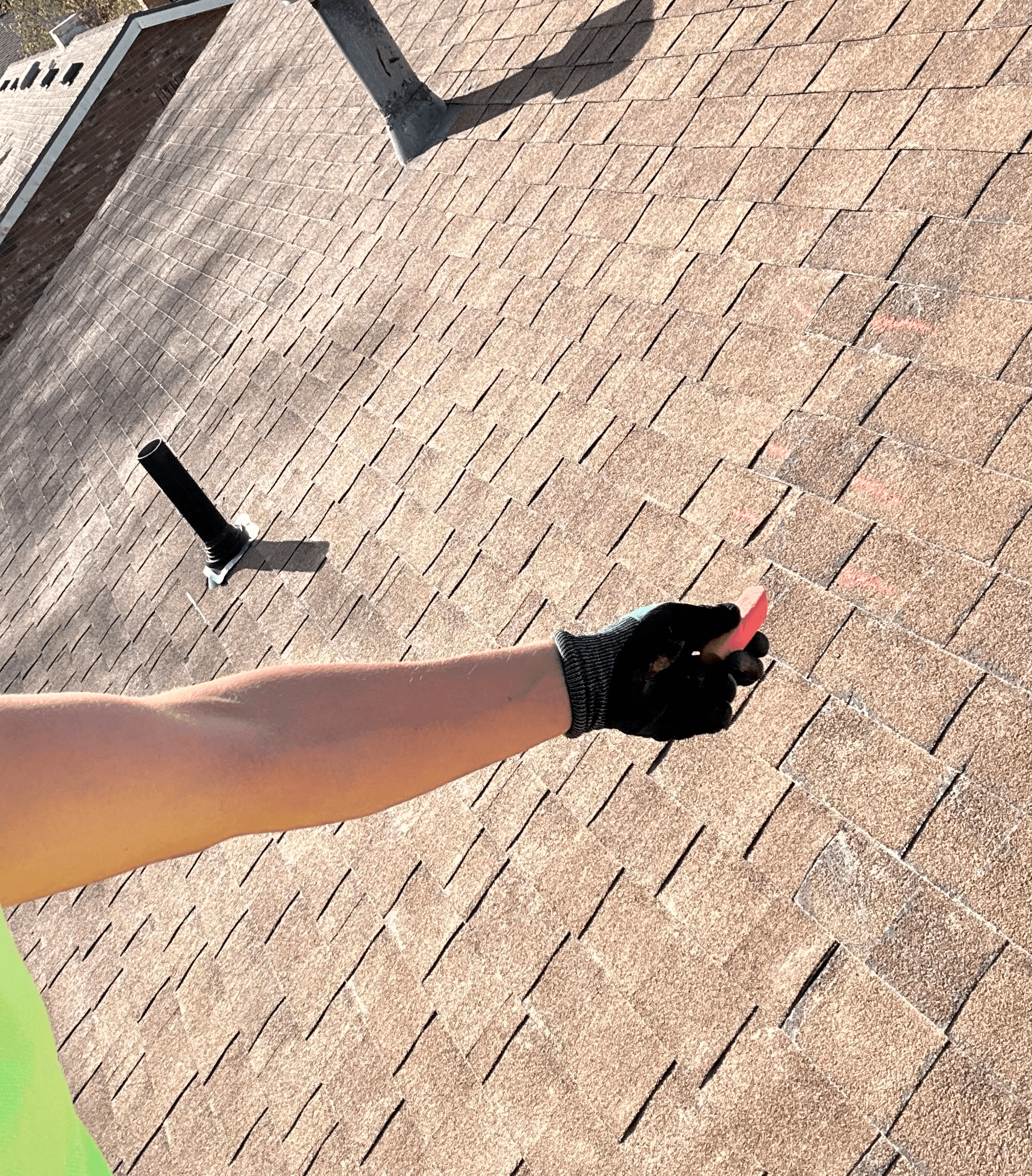
Roof Repair vs. Replacement: How to Make the Right Call
When something goes wrong with your roof, one of the first questions is usually the same:
Can it be repaired, or does the entire roof need to be replaced?
For homeowners in Salt Lake City and throughout the Wasatch Front, the answer depends on much more than the size of the visible problem.
A few missing shingles may only require a repair. A small leak around a pipe boot or flashing detail may also be fixable without replacing the entire roof.
On the other hand, widespread wind damage, hail damage, severe shingle deterioration, repeated leaks, or an aging roofing system may make full replacement the better long-term decision.
The key is knowing how to tell the difference.
This guide explains the major factors homeowners should consider when choosing between roof repair and roof replacement, including roof age, storm damage, insurance claims, leaks, shingle condition, repairability, cost, and long-term value.
If you live in Salt Lake City, Sandy, Draper, Murray, Holladay, Millcreek, Cottonwood Heights, Midvale, West Jordan, South Jordan, Taylorsville, West Valley City, Riverton, Herriman, or another nearby Utah community, understanding these factors can help you make a much better roofing decision.
The Difference Between Roof Repair and Roof Replacement
A roof repair addresses a specific damaged or failing area of the roofing system.
That might include:
Replacing several missing shingles
Repairing damaged flashing
Replacing a cracked pipe boot
Fixing a leaking roof vent
Repairing a small section of damaged underlayment
Replacing localized storm-damaged shingles
Fixing a small roof-edge problem
Resealing a specific penetration
A full roof replacement is much more extensive.
During a replacement, the existing roofing material is typically removed so the roof deck can be inspected and prepared before a new roofing system is installed.
A replacement may include:
Removal of old shingles
Inspection of roof decking
Replacement of damaged decking where necessary
New underlayment
Ice and water protection where required
New starter shingles
New architectural shingles
New flashing
New pipe boots
New ridge caps
Ventilation improvements
Other roofing-system upgrades
The right choice depends on what is actually happening with the roof.
When Roof Repair Is Usually the Better Choice
Roof repair can make sense when the problem is small, isolated, and surrounded by roofing materials that are still in good condition.
If the rest of the roof still has many years of useful life, replacing the entire system may be unnecessary.
1. The Damage Is Limited to a Small Area
Localized damage is one of the strongest reasons to repair rather than replace.
For example, if several shingles were damaged by a falling branch but the rest of the roof remains healthy, repairing that section may be completely reasonable.
The same can apply to:
A few wind-damaged shingles
A small flashing failure
A cracked pipe boot
One damaged vent
A localized leak
Limited roof-edge damage
The important question is whether the surrounding roof is still healthy enough to support a reliable repair.
2. The Roof Is Relatively New
Roof age matters.
If your roof was installed only a few years ago and most of the shingles are still in excellent condition, repairing a damaged area is often more practical than replacing everything.
A newer roof is also more likely to have replacement shingles available that closely match the existing material.
That matters because finding compatible shingles can become more difficult as roofs age.
3. The Leak Comes From Flashing or a Roof Penetration
Not every leak means the shingles are failing.
Many residential roof leaks originate around:
Chimneys
Pipe boots
Roof vents
Skylights
Walls
Valleys
Furnace flues
If the surrounding shingles are still healthy, repairing the flashing or penetration may solve the problem.
This is one of the reasons a proper inspection is so important.
Replacing a roof because of a small flashing problem would be unnecessary.
At the same time, simply patching a leak without identifying the actual source can lead to repeated problems.
4. Matching Shingles Are Available
Repairability also depends on material availability.
If the existing shingle is still manufactured and can be reasonably matched, a localized repair may be easier.
If the shingle has been discontinued or the roof is badly faded, repair can become more complicated.
A contractor should evaluate whether replacement materials can be integrated properly with the existing roof.
When Roof Replacement Is Usually the Better Choice
There are situations where repeated repairs stop making financial sense.
If the roof is already approaching the end of its useful life, a full replacement may provide much better long-term value.
1. The Roof Has Widespread Damage
If damage affects multiple areas or slopes, localized repairs may not be practical.
Examples include:
Widespread hail damage
Extensive wind damage
Multiple missing shingles
Large areas of granule loss
Widespread cracking
Multiple leaks
Significant roof-edge deterioration
At a certain point, repairing individual areas becomes less efficient than replacing the roofing system.
2. The Roof Is Near the End of Its Useful Life
Older roofs require a different approach.
Even if one current leak is repairable, the rest of the roofing system may already be deteriorating.
Signs of an aging roof can include:
Curling shingles
Cracked shingles
Heavy granule loss
Brittle shingles
Exposed asphalt
Repeated repairs
Faded or worn roofing material
Multiple leak locations
If the roof is already near the end of its service life, spending money on repeated repairs may only delay the inevitable.
3. The Roof Has Been Repaired Repeatedly
One repair is normal.
Several repairs in different areas can be a warning sign.
If you are calling a roofer every year to fix another leak or replace another damaged section, the roof may no longer be performing as a complete system.
Repeated repair costs can add up quickly.
At some point, replacement may be the more economical decision.
4. The Roofing Material Is No Longer Repairable
Older shingles can become brittle.
That creates a major challenge during repair.
To replace one damaged shingle, surrounding shingles may need to be lifted.
If they crack or break during the process, the repair area can expand.
This is one reason very old roofs can become difficult to repair even when the visible damage appears small.
Roof Age Matters, But It Is Not the Only Factor
Homeowners often ask:
How old does a roof have to be before it needs replacement?
There is no single number.
Roof lifespan depends on:
Shingle type
Installation quality
Weather exposure
Ventilation
Roof pitch
Maintenance
Sun exposure
Wind
Hail
Snow and ice
Roof design
Two roofs installed in the same year can age very differently.
A roof that receives intense sun exposure and strong wind may deteriorate faster than one in a more protected location.
That is why roof age should be considered alongside the actual physical condition.
Repair vs Replacement After Wind Damage
Wind damage can sometimes be repaired.
If only a few shingles are missing or creased, and the surrounding roof is still in good condition, localized repair may be possible.
However, stronger windstorms can affect large portions of a roofing system.
Wind may:
Lift shingles
Break adhesive seals
Crease shingles
Tear shingles
Remove ridge caps
Damage roof edges
Damage flashing
One challenge with wind damage is that not all damage is obvious.
A shingle may still be sitting on the roof even though it has been lifted and weakened.
That is why professional inspection after a significant windstorm can be valuable.
Repair vs Replacement After Hail Damage
Hail damage can be more complicated.
A small number of isolated impacts may not justify replacing an entire roof.
Widespread hail damage across multiple slopes may be different.
A roofer may inspect:
Shingle impacts
Granule displacement
Roof vents
Gutters
Downspouts
Flashing
Other exterior surfaces
The pattern of damage matters.
If hail has affected a large portion of the roof, replacement may become more appropriate than trying to repair individual shingles.
Insurance Roof Repair vs Replacement
For homeowners dealing with storm damage, insurance can become an important part of the decision.
If wind, hail, or another covered event damaged the roof, your homeowner's insurance carrier may inspect the property and determine what scope of work is covered.
Depending on the situation, the carrier may approve:
A localized repair
Replacement of one roof slope
Replacement of multiple slopes
Full roof replacement
Additional storm-damaged exterior components
Every claim is different.
Coverage depends on the policy, cause of damage, condition of the roof, deductible, and insurance company's evaluation.
A roofing contractor does not approve the insurance claim.
However, an experienced insurance roofing contractor in Salt Lake City can document the physical damage, provide measurements and photos, and explain what work is necessary to restore the roofing system correctly.
What If Insurance Only Approves a Repair?
Sometimes the insurance carrier determines that only part of the roof needs repair.
Whether that repair is practical may depend on:
Availability of matching shingles
Condition of surrounding shingles
Roof age
Repairability
Applicable building requirements
Extent of the approved damage
A professional roofer can help determine whether the proposed repair can physically be completed properly.
Questions about policy coverage or claim decisions should be discussed directly with the insurance carrier.
What If Insurance Approves a Full Roof Replacement?
If the claim is approved for full replacement, the homeowner has an opportunity to choose a new roofing system.
This is often the best time to consider whether you want to reinstall a standard architectural shingle or upgrade to a higher-performance product.
For many of our Utah roofing projects, IKO is our preferred shingle manufacturer.
We like IKO because of its combination of:
Architectural appearance
Strong performance options
Wind-focused products
Class 4 impact-resistant options
Color selection
Overall value
Products such as IKO Dynasty and IKO Nordic can be especially attractive depending on the homeowner's priorities.
Cost of Roof Repair vs Roof Replacement
Repair is almost always cheaper in the short term.
But short-term cost is not the only thing that matters.
Imagine spending money repairing an aging roof only to develop another leak six months later.
Then another repair is needed.
Then another.
At that point, the homeowner may have spent thousands of dollars maintaining a roof that still ultimately needs replacement.
The better question is:
Which option provides the best value over the next several years?
If the roof is young and healthy, repair usually wins.
If the roof is worn out and repeatedly failing, replacement may provide better value.
When a Cheap Repair Can Become Expensive
Temporary repairs can sometimes make problems worse financially.
For example, repeated roof cement or sealant patches may stop water temporarily but fail to address the underlying flashing or shingle problem.
This can allow hidden damage to continue.
The homeowner eventually ends up paying for:
Multiple repair visits
Interior drywall repair
Paint
Insulation replacement
Decking repair
Roof replacement
That is why proper diagnosis matters.
The goal should not be to make the roof stop leaking for one rainstorm.
The goal should be to identify why it leaked in the first place.
Signs a Roof Is Probably Still Repairable
A roof may be a good repair candidate when:
It is relatively new
Damage is isolated
Shingles are still flexible
Matching materials are available
There are no widespread leaks
Granule loss is limited
Roof decking is healthy
Damage affects only a small area
Signs Replacement May Be the Better Choice
Replacement may be more appropriate when:
Damage affects multiple slopes
Shingles are brittle
Heavy granule loss exists
The roof has been repaired repeatedly
Multiple leaks are present
Significant storm damage exists
Materials are discontinued
The roof is approaching the end of its expected life
Decking problems are widespread
What About a Roof Leak?
A roof leak does not automatically mean you need replacement.
Many leaks are repairable.
The most important thing is identifying the source.
Water can travel before becoming visible inside the home.
A ceiling stain may appear several feet away from the actual roof penetration.
That is why an experienced roofer will often trace the problem rather than simply patching directly above the stain.
Flashing Problems vs Shingle Problems
Flashing failures are one of the most common repairable roof issues.
Flashings are installed around areas where the roof changes direction or intersects another surface.
Examples include:
Chimneys
Walls
Valleys
Skylights
Pipes
Vents
A flashing repair may solve a leak without requiring extensive shingle replacement.
However, flashing should be installed correctly rather than covered repeatedly with caulk.
Missing Shingles: Repair or Replace?
A few missing shingles may be repairable.
Many missing shingles could indicate a larger issue.
Consider:
How many shingles are missing?
Why did they come off?
Are surrounding shingles still sealed?
Are other shingles creased?
Is the roof old?
Was there a recent windstorm?
If wind has affected a large portion of the roof, replacing only the visibly missing shingles may not address all the damage.
Granule Loss: Repair or Replace?
Some granule loss is normal.
Heavy or widespread granule loss can indicate deterioration.
If only one small area was damaged, repair may be possible.
If the entire roof is losing granules and exposing asphalt, replacement may be more appropriate.
Again, the overall pattern matters.
Roof Decking Problems
Sometimes the shingles are only part of the problem.
The roof decking underneath may be:
Rotten
Delaminated
Soft
Water damaged
Structurally compromised
Localized decking damage can sometimes be repaired during a small roofing project.
Widespread decking deterioration may make full replacement more practical because large sections of roofing material need to be removed anyway.
Curb Appeal and Home Value
Replacement also has cosmetic benefits.
A new architectural roof can dramatically improve the appearance of a home.
This may be especially valuable if you plan to sell.
An aging roof can make buyers nervous because they know replacement may be expensive.
A professionally installed new roof removes that uncertainty.
Should You Replace the Roof Before Selling?
It depends.
If the roof is healthy and only needs minor repair, replacement may not be necessary.
If the roof is clearly deteriorated or leaking, replacement could make the home easier to sell.
A roofing inspection can help you understand the condition before listing the property.
Roof Repair in Salt Lake City
Localized roof repair is common throughout the Salt Lake Valley.
Typical repairs include:
Wind-damaged shingles
Pipe boots
Flashing
Roof vents
Small leaks
Missing shingles
Ridge caps
Minor storm damage
The best repair is one that addresses the actual cause of the problem rather than simply covering it.
Roof Replacement in Salt Lake City
Full replacement is usually more appropriate when the roofing system itself is failing.
A quality replacement should involve more than installing new shingles.
The contractor should evaluate:
Decking
Underlayment
Ice protection
Flashing
Ventilation
Pipe penetrations
Valleys
Roof edges
Ridge caps
The goal is to build a complete roofing system.
How Utah Weather Affects the Decision
Utah weather can accelerate roofing problems.
Salt Lake City roofs are exposed to:
Summer heat
Strong ultraviolet exposure
Winter snow
Ice
Freezing temperatures
Wind
Hail
Rapid temperature swings
A small defect can become more serious after repeated weather exposure.
For example, a lifted shingle may allow moisture underneath.
That moisture may freeze.
Expansion can worsen the damage.
Another storm may lift the area further.
This is why early inspection can prevent larger repairs later.
Repairing a Roof Before Winter
If you know your roof has a problem, repairing it before winter is usually wise.
Snow and freezing temperatures can make existing leaks worse.
Autumn is a good time to address:
Missing shingles
Damaged flashing
Cracked pipe boots
Loose ridge caps
Gutter issues
Roof-edge problems
Entering winter with a watertight roof reduces the chance of unpleasant surprises.
Repairing a Roof After Winter
Spring is another common time for roofing inspections.
Winter may reveal problems such as:
Ice damage
Loose shingles
Flashing failure
Gutter damage
Leaks
Roof-edge deterioration
Spring repair can help prepare the roof for seasonal storms.
Why Professional Inspection Matters
The repair-versus-replacement decision should be based on the physical condition of the roofing system.
A professional inspection can evaluate:
Roof age
Shingle condition
Storm damage
Flashing
Ventilation
Roof penetrations
Decking
Valleys
Ridge caps
Gutters
Interior signs of leakage
Photos can also help homeowners understand what the roofer is seeing.
Questions to Ask Your Roofer
When deciding between repair and replacement, ask:
What exactly is damaged?
Is the damage isolated or widespread?
Can the roof be reliably repaired?
How much life does the rest of the roof appear to have?
Are matching shingles available?
Is the roof brittle?
Is there storm damage?
Is the decking healthy?
What would the repair cost?
What would replacement cost?
What are the risks of waiting?
A contractor should be able to explain the recommendation clearly.
Beware of Contractors Who Always Recommend Replacement
Not every roofing problem requires a new roof.
If a contractor recommends full replacement without explaining why a repair will not work, ask questions.
Sometimes replacement is absolutely necessary.
Other times, a straightforward repair is enough.
A reputable roofer should be comfortable telling you when your roof does not need replacement.
Beware of Endless Patch Repairs
The opposite problem also exists.
Some homeowners continue repairing a roof long after replacement would make more sense.
If the roof is deteriorated and each season creates a new issue, repeated repairs may only postpone a necessary replacement.
The goal is not to repair forever.
The goal is to choose the most practical solution.
Our General Rule
For most roofs, our approach is straightforward:
If the roof can be repaired reliably and the remaining roofing system is still in good condition, repair it.
If the damage is widespread, the shingles are deteriorated, or repeated repairs are becoming necessary, replacement is usually the better long-term decision.
That is the simplest way to think about it.
Schedule a Roof Inspection in Salt Lake City
If you are unsure whether your roof needs repair or replacement, the best first step is a professional inspection.
For homeowners throughout Salt Lake City, Sandy, Draper, Murray, Holladay, Cottonwood Heights, Millcreek, Midvale, West Jordan, South Jordan, Taylorsville, West Valley City, Riverton, Herriman, and surrounding Wasatch Front communities, a proper inspection can help answer the question before you spend money unnecessarily.
If the problem is small, repair may be all you need.
If the roof has widespread storm damage or is nearing the end of its life, replacement may be the better investment.
And if the damage came from a recent hail or windstorm, we can document the condition of the roof and help you understand the physical scope of work before you speak with your insurance company.
The right decision is not always the cheapest option or the biggest project.
It is the option that makes the most sense for the actual condition of your roof.


